
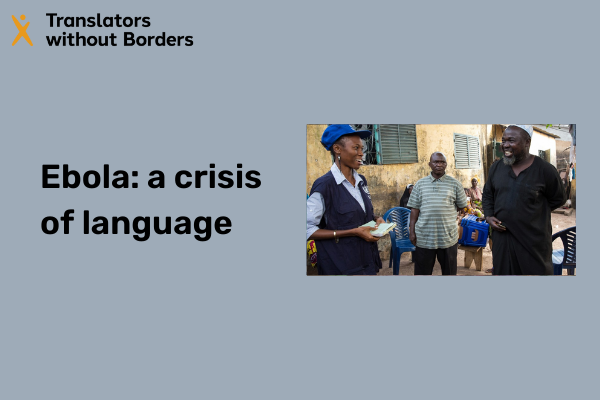
Ebola: a crisis of language
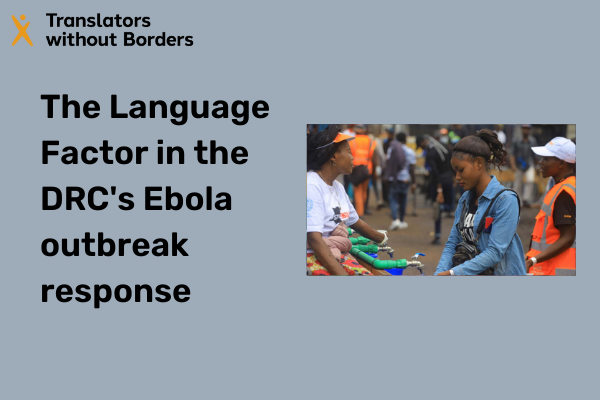
The Language Factor: Lessons for the 11th Ebola outbreak on adapting to the language needs of communities learned during the 10th Ebola epidemic in the Democratic Republic of Congo
Previous Ebola virus disease (EVD) outbreaks offer lessons for public health experts responding to the 11th outbreak. This review highlights that responders need to build more trust with the communities they serve. It suggests that language is fundamental to that. The ninth, 10th and 11th outbreaks of Ebola virus disease have taken place in very […]
The challenges of translation into Congolese Swahili
Assessment: effective Ebola communication requires respect and transparency
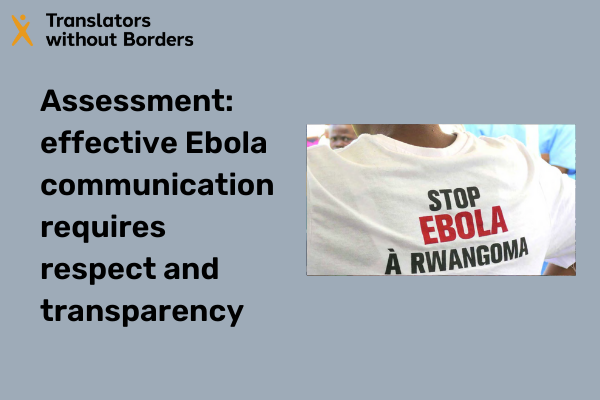
In the second year of the current Ebola outbreak response in the Democratic Republic of Congo (DRC), people at risk still don’t have clear answers to their questions about the disease in a language they understand. Many local health communicators are themselves confused about the disease prevention and treatment measures they promote. The language, content, […]
Missing the mark? People in Eastern DRC need information on Ebola in a language they understand
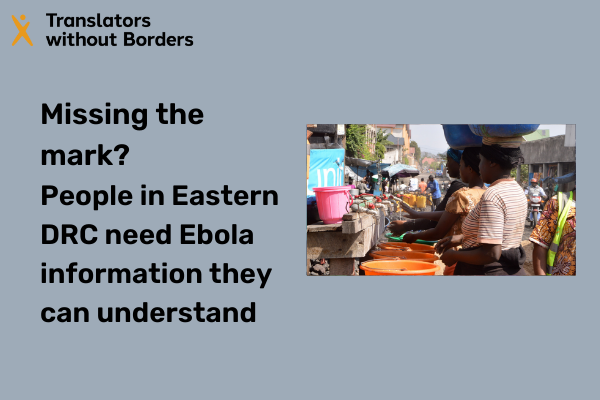
People at risk of contracting Ebola need information to keep themselves and their families safe. Information they don’t understand will not help them. They need clear communication in plain, localized language, in a format they understand, and through channels they trust. To learn how to better communicate, TWB conducted the rapid language needs assessment in […]
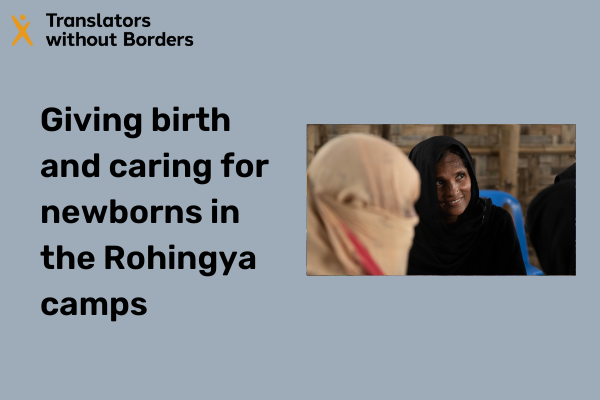
Giving birth and caring for newborns in the Rohingya camps
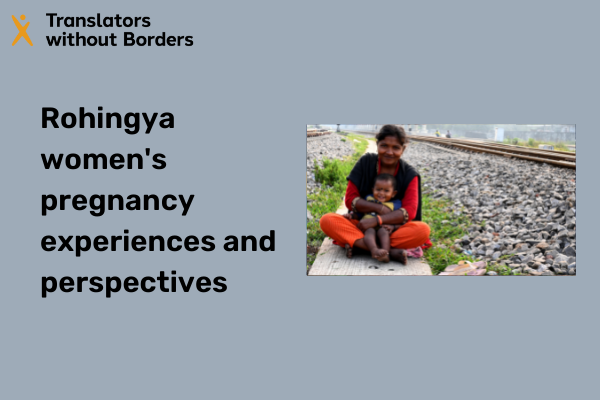
Rohingya women’s pregnancy experiences and perspectives
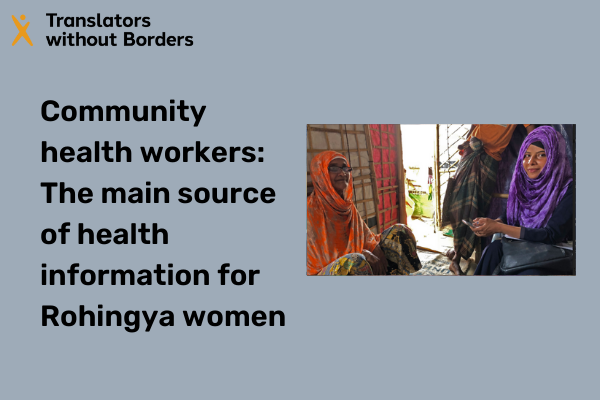
Community health workers: The main source of health information for Rohingya women
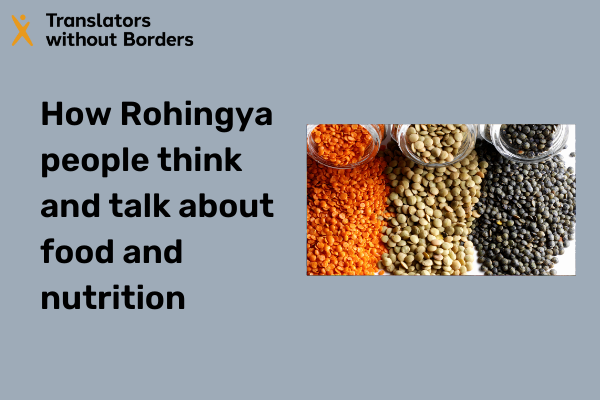
How Rohingya people think and talk about food and nutrition
Cox’s Bazar common service evaluation 2021
Read our report to learn what role has the common service played in helping agencies communicate with Rohingya and host communities during the COVID-19 pandemic.