The 2021 multi-sector needs assessments (MSNAs) should collect data on the languages of affected people
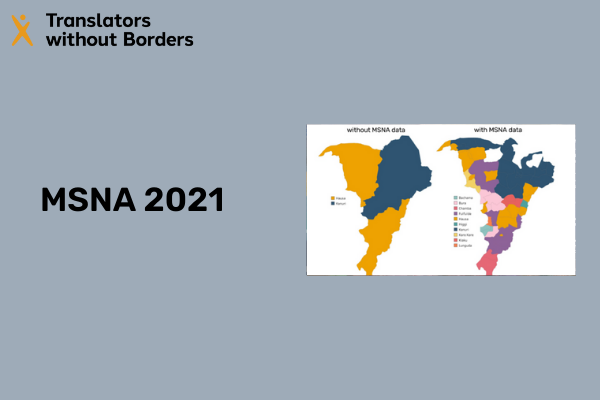
The 2021 multi-sector needs assessments (MSNAs) are a critical opportunity to strengthen the evidence base for effective and accountable humanitarian response plans. Humanitarian donors and responders need data on the languages and communication preferences of affected people as a basis for funding and programming decisions. At a minimum, asking one simple question on language can […]
20+ language tips for effective humanitarian data collection
This infographic lists the language steps to be considered during a data collection, with tips for when such collection needs to be remote. Download the infographic as a pdf.
Five easy steps to integrate language data into humanitarian and development programs
Learn how to best incorporate language data into humanitarian and development programs for more effective community communication.
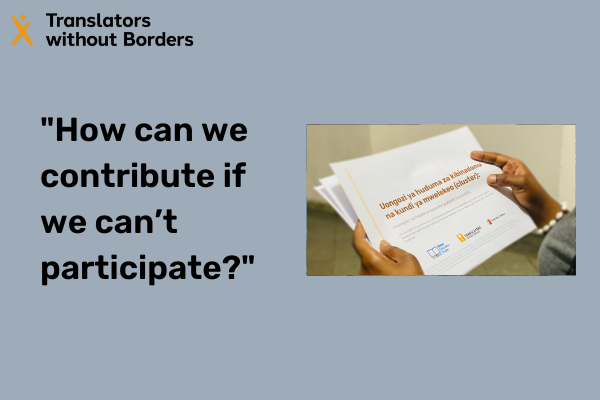
“How can we contribute if we can’t participate?” The accessibility of humanitarian guidance to local and national organisations
PSEA recommendations: Language issues for safeguarding
TWB’s research shows that a language sensitive response to Ebola outbreaks could improve understanding and trust in key messages. It will enhance the accessibility of RCCE and AAP mechanisms, including the reporting of SEAH and support to survivors. Learning from the outbreak in DRC, TWB would recommend the actions to take as part of protection […]
Assessment: effective Ebola communication requires respect and transparency
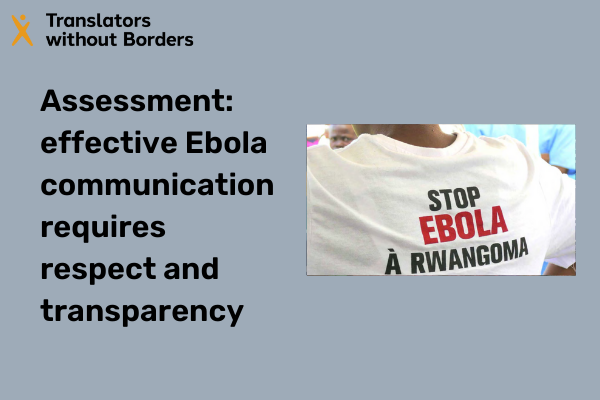
In the second year of the current Ebola outbreak response in the Democratic Republic of Congo (DRC), people at risk still don’t have clear answers to their questions about the disease in a language they understand. Many local health communicators are themselves confused about the disease prevention and treatment measures they promote. The language, content, […]
Missing the mark? People in Eastern DRC need information on Ebola in a language they understand
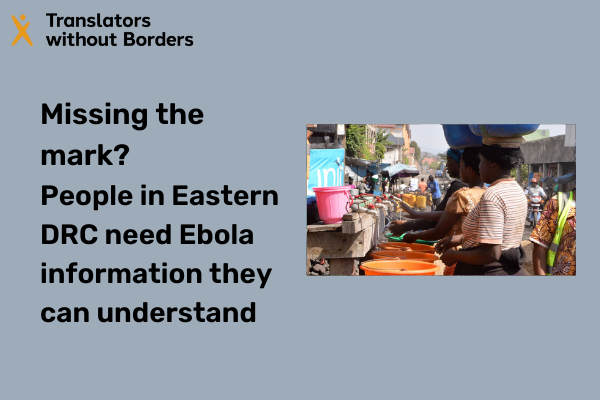
People at risk of contracting Ebola need information to keep themselves and their families safe. Information they don’t understand will not help them. They need clear communication in plain, localized language, in a format they understand, and through channels they trust. To learn how to better communicate, TWB conducted the rapid language needs assessment in […]
Navigating global guidance
The language lesson: What we’ve learned about communicating with Rohingya refugees
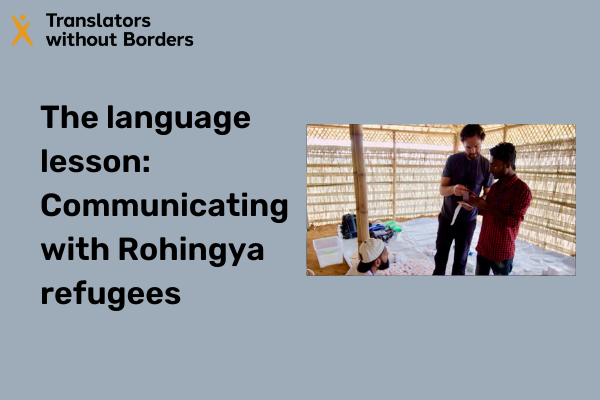
Rohingya refugees have a right to information and two-way communication in their own language, in a format they understand, and through channels they prefer and trust. In the past year, access to information has improved in the Rohingya refugee response as a result of an increased humanitarian focus on communicating with communities. Yet language barriers […]
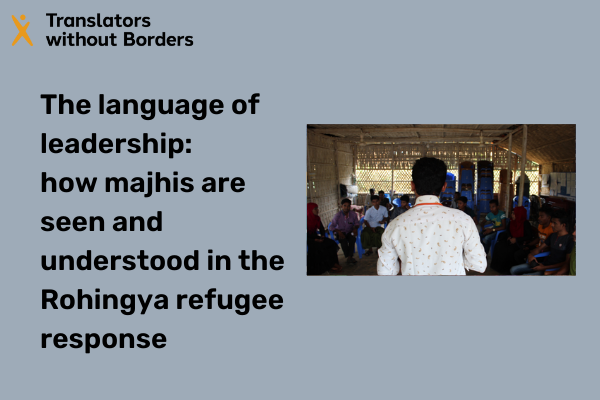
The language of leadership: The words that define how majhis are seen and understood in the Rohingya refugee response