
Building trust in epidemic response – health communication in western Uganda
Building trust in epidemic response – health communication in western Uganda In May 2021, Translators without Borders conducted sociolinguistic research on health communication on Ebola and COVID-19 in three districts in western Uganda – Hoima, Kasese, and Kisoro. We found that regular, clear, and thoughtful communication on diseases can reduce stigma and increase trust, and […]
Speaking the language of assistance in DRC
Speaking the language of assistance: Comprehension of language and terms used in Multi-Sector Needs Assessments in DRC To support humanitarian response in the Democratic Republic of Congo (DRC), REACH conducts numerous assessments each year independently and in collaboration with other humanitarian organizations, including the annual Multi-Sector Needs Assessment (MSNA), carried out with WFP and […]
Communicating about gender and violence in Ukraine
Communicating about gender and violence in Ukraine In situations of conflict, the risk of gender-based violence (GBV) can increase and survivors need to know how and where to find help. Clear, appropriate and safe communication from service providers is critical to ensure people can find the services they need and talk about what they experienced. […]
Language and digital humanitarian action
Language and digital humanitarian action Report: The state of inclusion and exclusion for marginalized language speakers in digital humanitarian services When most people directly affected by humanitarian emergencies don’t speak a powerful language, how can they be heard and get the information they need? While humanitarian services continue to digitize, only a handful of […]
Why language inclusion matters for effective climate action
Why language inclusion matters for effective climate action The climate crisis is the world’s most urgent sustainability challenge – yet those most affected are often the least able to speak out. As the climate crisis worsens, we need solutions created by and for people most at risk. Click to read.
Why language inclusion matters for sexual and reproductive health and rights (SRHR)
Why language inclusion matters for sexual and reproductive health and rights (SRHR) Effective SRHR services support the right to health, promote gender equality, and reduce vulnerability for people experiencing marginalization. Yet without language awareness, these services never reach some of those most in need. Download the document.
Insights into community needs and wishes – eastern DRC
Insights into community needs and wishes – eastern DRC People need effective humanitarian reporting systems for sexual exploitation and abuse in eastern Democratic Republic of Congo (DRC). And they need practical information in languages they understand. Read the report in English. Read the report in French. Read the report in Congolese Swahili. Preview […]
Communicating for trust – AAP and PSEAH in northeast Nigeria
Communicating for trust – AAP and PSEAH in northeast Nigeria Accountability to affected people (AAP) is fundamental in humanitarian efforts. We aim to ensure that the voices and concerns of affected people are not only heard but also taken into account in decision-making. In the context of northeast Nigeria, where conflict and displacement have created […]
Language use in Somalia: research report
Humanitarian organizations responding to acute and widespread food insecurity in Somalia lack data to understand and address language-based exclusion. Read our report and recommendations for responding organizations – click to view and download (English). Together with Minority Rights Group International and others, we also researched how far Maay Somali speakers understand critical health information in […]
Pakistan floods information gap research report – English
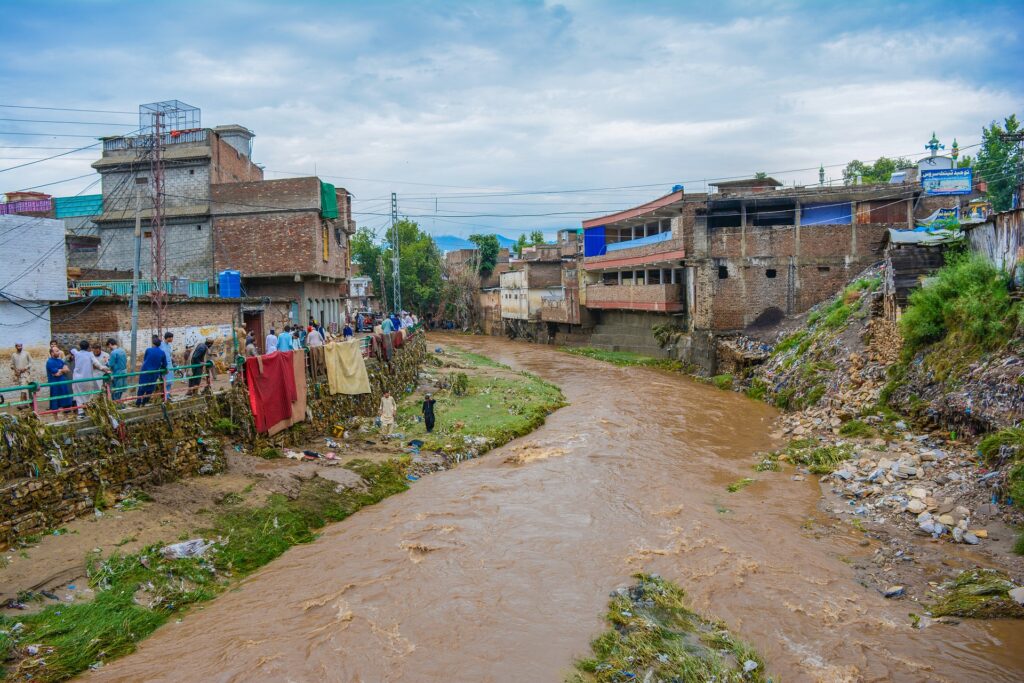
Facing floods in Pakistan A dangerous information gap – read the report. Flood-affected communities in Sindh and South Punjab lack the information they need to access assistance, avoid further harm, and prepare for future floods. In February 2023, CLEAR Global and Pattan Development Organisation studied people’s comprehension of flood-related information materials. To ensure marginalized language speakers […]