
Language profile of five IDP sites in Maiduguri, Northeast Nigeria
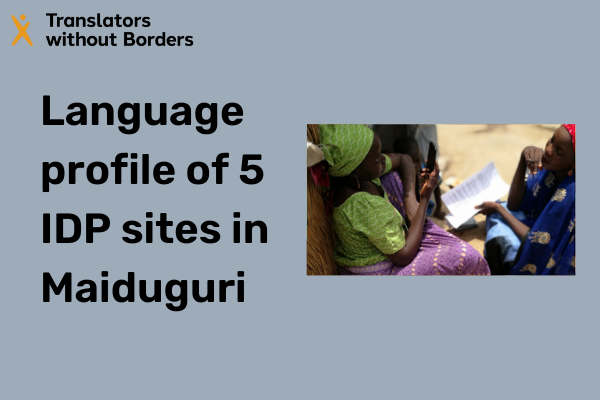
Read the full report here. Other resources that might interest you: Language barriers in the humanitarian response in Northeastern Nigeria (language assessment) Information without understanding, rights without meaning (position paper) The power of speech (storymap)
TWB’s Rohingya Zuban report
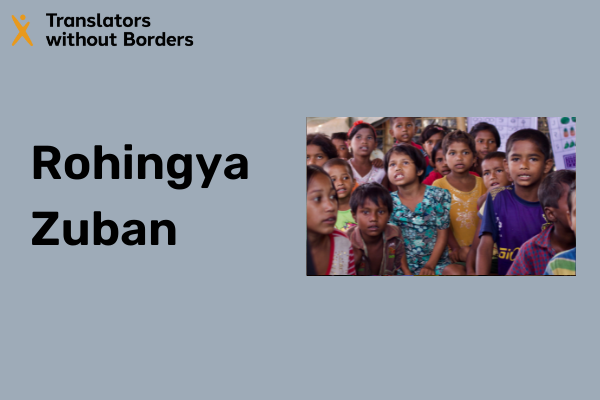
When surveyed in October 2017, a shocking number of Rohingya refugees said that they were unable to communicate with humanitarian responders. The issue of difficult communications in a crisis scenario is intensified by the fact that high numbers of the refugee community are illiterate. This rapid assessment shows how communication is a major barrier in […]
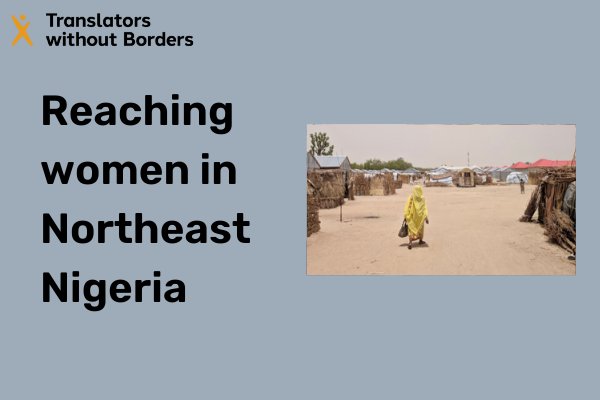
Comprehension matters: The power of communicating in different languages and formats to reach vulnerable women in Northeast Nigeria
Communications dashboard: Internally displaced people in Northeast Nigeria
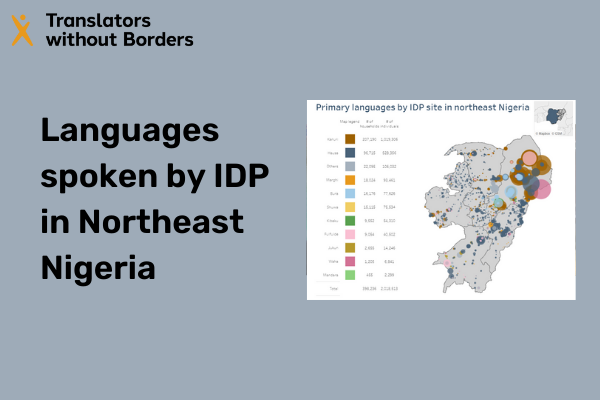
This dashboard is an interactive tool to help humanitarian organizations better plan their communication strategies and language support. Developed by Translators without Borders, in cooperation with the International Organization for Migration’s (IOM) Displacement Tracking Matrix (DTM) team in Maiduguri, the dashboard can help aid workers make data-informed decisions to communicate with and support the crisis-affected […]
Palavras são necessárias: A utilização de línguas locais melhora a compreensão por parte das pessoas afectadas pelo ciclone Idai na Beira, Moçambique
Leia e faça o download do resumo dos resultados e das recomendações aqui. Também é possível fazer o download deste resumo e do relatório em inglês.
Effective Ebola risk communication requires respect and transparency and remains as vital as ever
This qualitative study evaluates the challenges of communicating about Ebola in the town of Beni, North Kivu. With its approximately 250,000 residents, Beni has been one of the towns hardest hit by the epidemic declared in August 2018. In the second year of the current Ebola outbreak, effective risk communication remains as vital as ever. […]