
2024 Mpox outbreak response: How to address language and communication barriers to maximize the reach of mpox risk communication
Download this brief as a pdf. In a public health emergency, people need clear, accessible communication to take action and keep themselves safe. But a lack of language awareness can harm the reach and effectiveness of the response. As learning from the Covid-19 and Ebola responses has shown, language and communication barriers: Reduce access to […]
Why language inclusion matters for effective climate action
Why language inclusion matters for effective climate action The climate crisis is the world’s most urgent sustainability challenge – yet those most affected are often the least able to speak out. As the climate crisis worsens, we need solutions created by and for people most at risk. Click to read.
Why language inclusion matters for sexual and reproductive health and rights (SRHR)
Why language inclusion matters for sexual and reproductive health and rights (SRHR) Effective SRHR services support the right to health, promote gender equality, and reduce vulnerability for people experiencing marginalization. Yet without language awareness, these services never reach some of those most in need. Download the document.
Tackling language-based exclusion in the Horn of Africa hunger crisis: Lessons from Somalia
Facing the worst droughts in over 40 years, more than 37 million people in the Horn of Africa are experiencing acute hunger. They need urgent humanitarian aid – healthcare, food, water supplies, and lifesaving information in the right language. CLEAR Global and REACH studied how language affects effective humanitarian response in the Horn of Africa […]
NGO key messages for the 10th High Commissioner’s Dialogue on Protection Challenges
Gamayun: The Language Equality Initiative
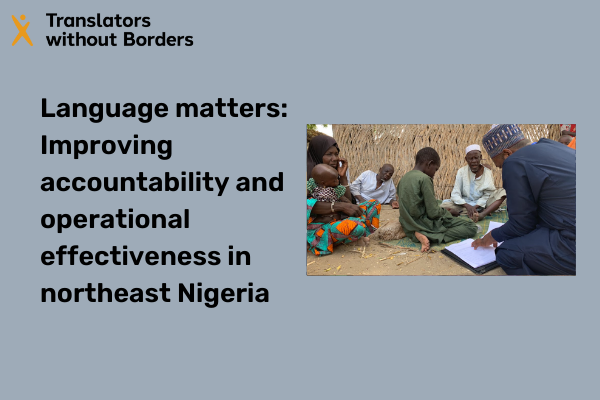
Language matters: Improving accountability and operational effectiveness in Northeast Nigeria
MSNA language data can help humanitarians communicate better with affected people
The 2021 multi-sector needs assessments (MSNAs) should collect data on the languages of affected people
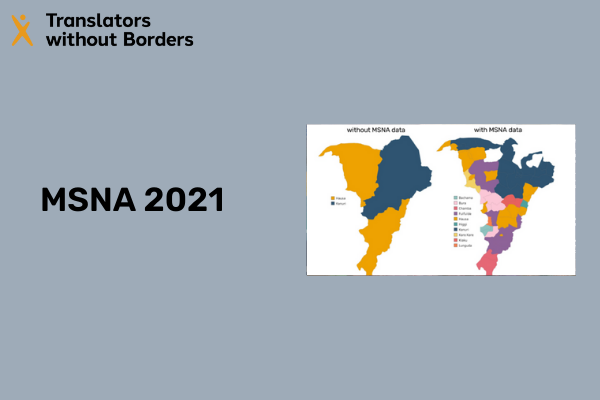
The 2021 multi-sector needs assessments (MSNAs) are a critical opportunity to strengthen the evidence base for effective and accountable humanitarian response plans. Humanitarian donors and responders need data on the languages and communication preferences of affected people as a basis for funding and programming decisions. At a minimum, asking one simple question on language can […]
PSEA recommendations: Language issues for safeguarding
TWB’s research shows that a language sensitive response to Ebola outbreaks could improve understanding and trust in key messages. It will enhance the accessibility of RCCE and AAP mechanisms, including the reporting of SEAH and support to survivors. Learning from the outbreak in DRC, TWB would recommend the actions to take as part of protection […]