In the loop: developing effective complaints and feedback mechanisms
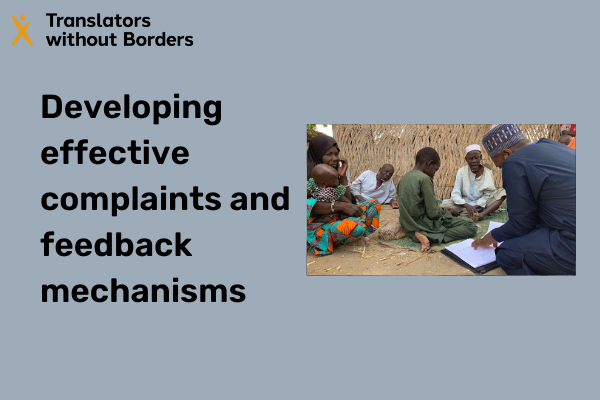
Complaints and feedback mechanisms are an essential part of the humanitarian community’s ability to be held accountable for the assistance and protection we deliver. You can view our research brief below or here. Also is available an illustrated version created to guide you through.
Bangladesh and Myanmar: language needs across borders
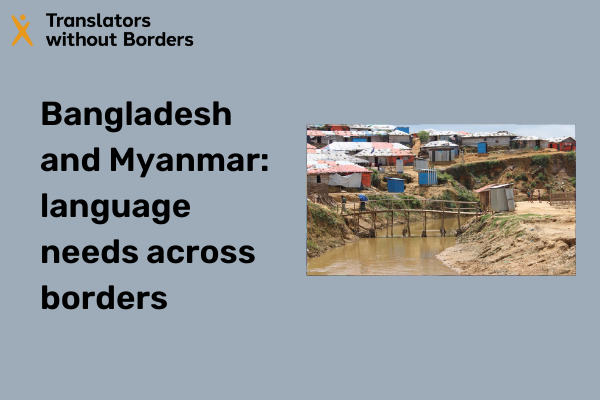
The Rohingya are marginalized in Myanmar society, as reflected in their lack of legal status and recognition as citizens. Across the border in Bangladesh, they are also unable to participate fully in society due to their lack of legal status and recognition as refugees. In both contexts, language barriers reinforce that exclusion. In March 2019, […]
20+ language tips for effective humanitarian data collection
This infographic lists the language steps to be considered during a data collection, with tips for when such collection needs to be remote. Download the infographic as a pdf.
Five easy steps to integrate language data into humanitarian and development programs
Learn how to best incorporate language data into humanitarian and development programs for more effective community communication.
The language lesson: What we’ve learned about communicating with Rohingya refugees
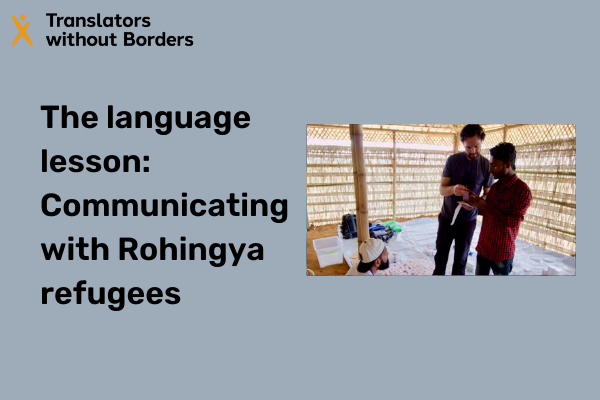
Rohingya refugees have a right to information and two-way communication in their own language, in a format they understand, and through channels they prefer and trust. In the past year, access to information has improved in the Rohingya refugee response as a result of an increased humanitarian focus on communicating with communities. Yet language barriers […]
Language for learning: How language use affects Rohingya children’s educational experience in Cox’s Bazar
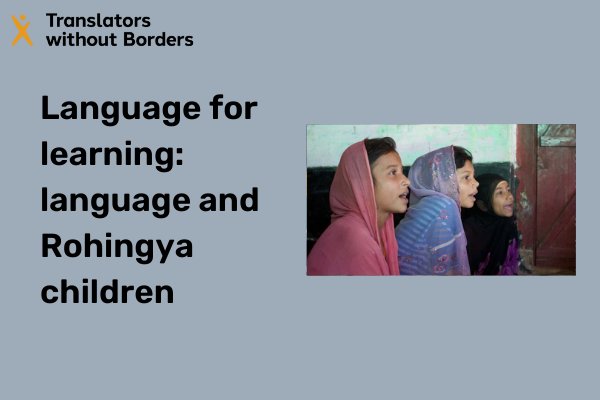
This report examines how language use affects Rohingya refugee children’s educational experience in the camps around Cox’s Bazar in Bangladesh. We identified four key factors that influence how Rohingya refugee children receive an education: Government requirements: The Government of Bangladesh imposes certain requirements on education service providers. The complex linguistic environment: The multilingual nature of […]
Community health workers: The main source of health information for Rohingya women
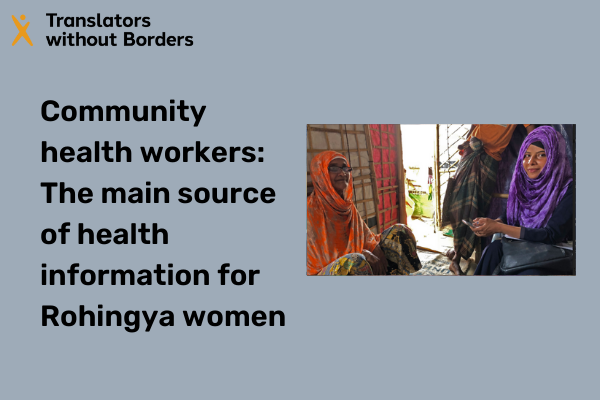
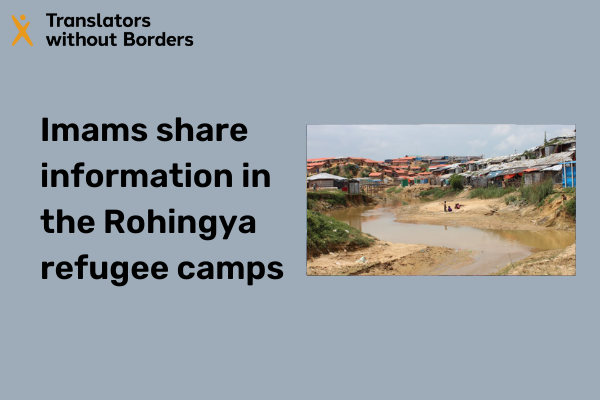
Imams share information in the Rohingya refugee camps
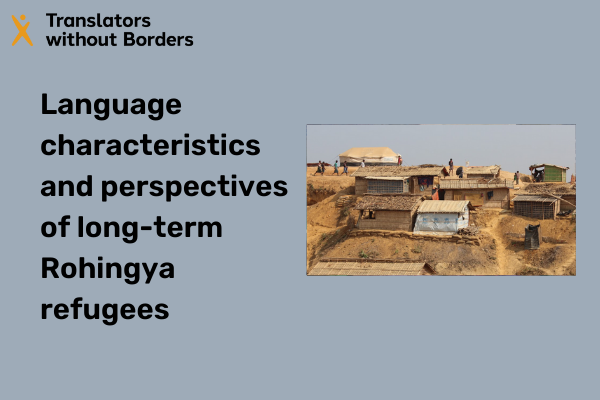
Language characteristics and perspectives of long-term Rohingya refugees
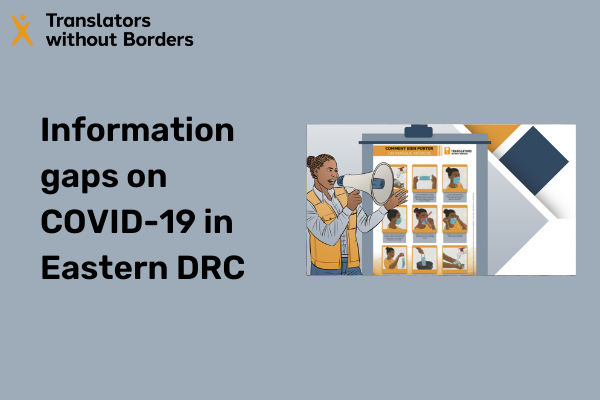
Information gaps on COVID-19 in Eastern DRC