Rohingya information preferences and perspectives
View the Rohingya information preferences and perspectives research report in a new tab here.
Bangladesh and Myanmar: language needs across borders
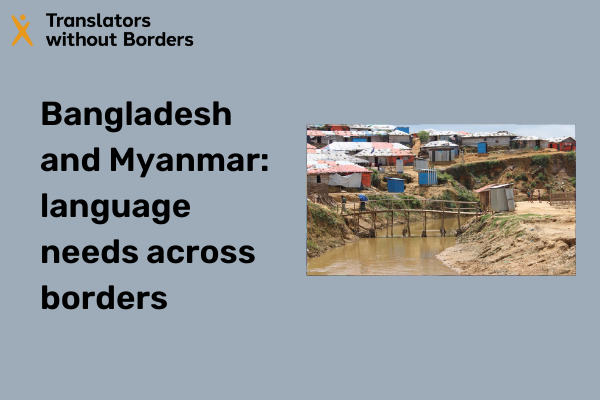
The Rohingya are marginalized in Myanmar society, as reflected in their lack of legal status and recognition as citizens. Across the border in Bangladesh, they are also unable to participate fully in society due to their lack of legal status and recognition as refugees. In both contexts, language barriers reinforce that exclusion. In March 2019, […]
“How can we contribute if we can’t participate?” The accessibility of humanitarian guidance to local and national organisations
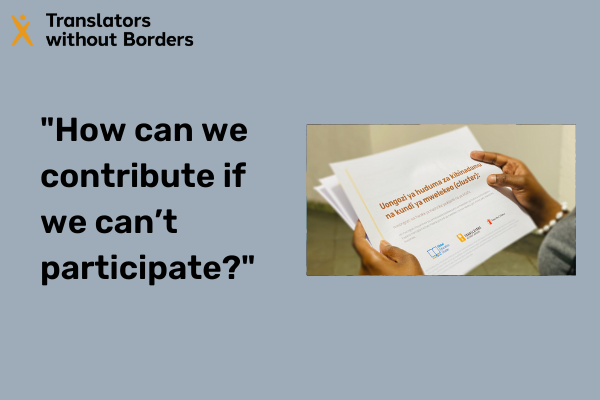
Navigating global guidance
The language lesson: What we’ve learned about communicating with Rohingya refugees
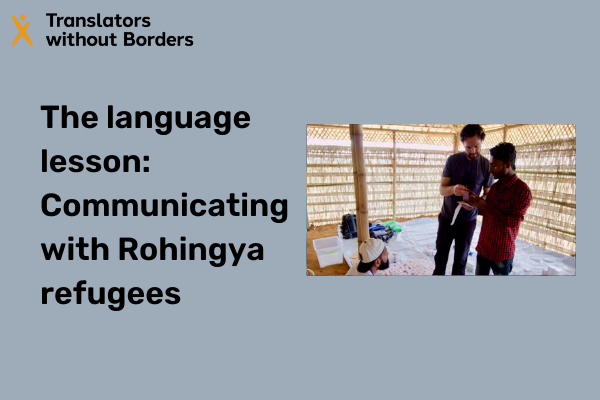
Rohingya refugees have a right to information and two-way communication in their own language, in a format they understand, and through channels they prefer and trust. In the past year, access to information has improved in the Rohingya refugee response as a result of an increased humanitarian focus on communicating with communities. Yet language barriers […]
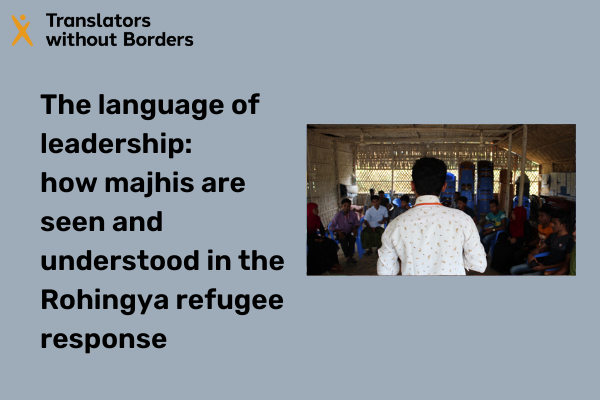
The language of leadership: The words that define how majhis are seen and understood in the Rohingya refugee response
Language for learning: How language use affects Rohingya children’s educational experience in Cox’s Bazar
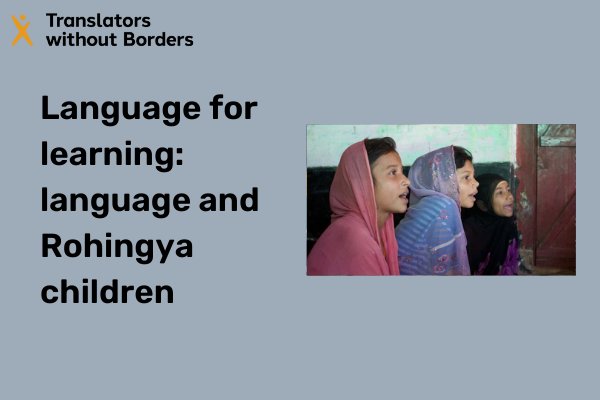
This report examines how language use affects Rohingya refugee children’s educational experience in the camps around Cox’s Bazar in Bangladesh. We identified four key factors that influence how Rohingya refugee children receive an education: Government requirements: The Government of Bangladesh imposes certain requirements on education service providers. The complex linguistic environment: The multilingual nature of […]
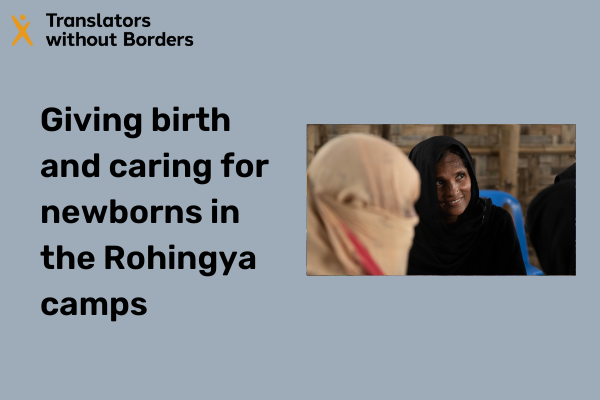
Giving birth and caring for newborns in the Rohingya camps
Rohingya women’s pregnancy experiences and perspectives
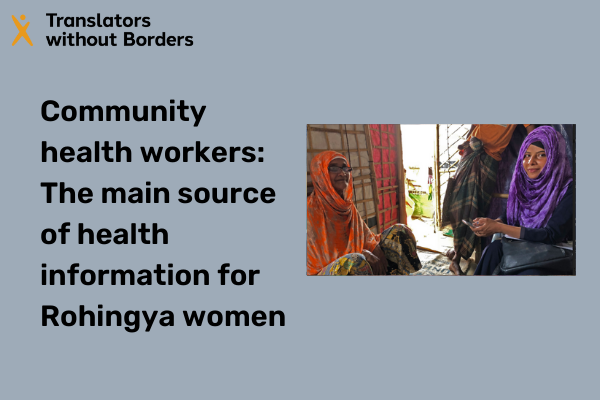
Community health workers: The main source of health information for Rohingya women